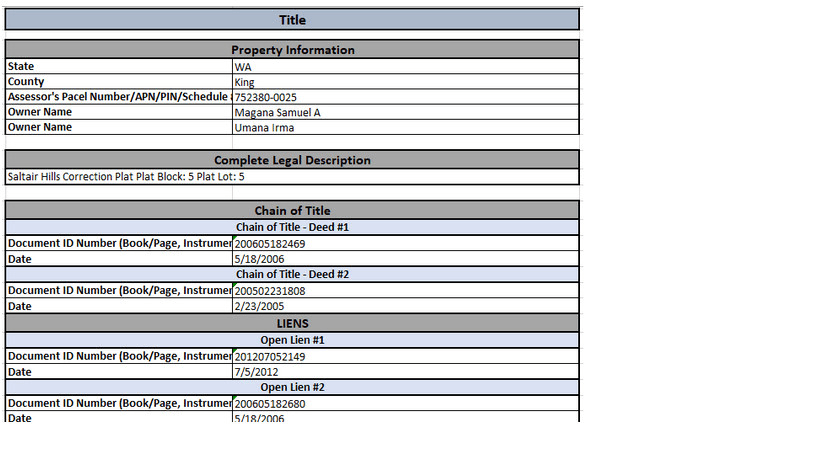
Title Searching and Indexing Services in USA
The primary reason for conducting a real estate title search is to ensure that the property is legally available for sale by the current owner. A title search will also uncover any restrictions on use of the property and if there are any liens against it.
Almost all mortgage lenders will require a real estate title search before they grant the loan. This is done to safeguard their investment in the property. Property owners have the additional benefit of finding out if there is a use restriction on the property.
If the title search turns up an issue, then the transaction could be jeopardised. In some states it is required that the title be free and clear before the sale can proceed.
The Role Of The Real Estate Title Company
A real estate title company often performs the title search. These companies are familiar with the processes and different ways a property may be categorised, allowing them to perform a search much more quickly and efficiently than an individual can. A title search is much more complicated and detailed than it appears. Whoever is conducting the search will be looking for outstanding mortgages, liens and judgements, past due taxes or bills for municipal services, deeds, special assessments and homeowners association restrictions, just to name a few.
To further complicate matters, the property may be listed in numerous different ways. It may be filed under the current owners name or under the property address or under the property tax ID number. Knowing the ins and outs of these filing differences is one of the primary benefits of having a local real estate title company perform the title search.
Our Title Search Services:
Residential Title Search Services:
Current Owner Search:
Two Owner Search:
Full Title Search:
Last Vesting Deed:
Judgement Searches:
Title Commitments:
Commercial Title Searches:
Commercial Current Owner Search:
* Current deed information and copy
* Current and delinquent tax information
* Unreleased security instruments
* Open lien and judgement information
Commercial Full Search:
* Full chain if title
* Current and delinquent tax information
* Open mortgage information
* Open lien and judgement information
Commercial Grantor and Grantee Search:
* Details of instruments affecting the concerned property within the mentioned time duration
* Information regarding the current taxes and delinquent taxes
Commercial Update:
* Current and delinquent tax Information
* Title changes since the prior search
Commercial Document Retrieval:
* Since the date of the prior policy, the specified instruments related to the given property will be located and retrieved.
What Will The Report Disclose?
Generally, you can expect to find a listing of past mortgages or liens on the property. Liens could be in the form of property, tax, or contractor liens. There may even be child support or spousal liens against the property. You will also be able to see if there are any use restrictions on the property or special assessments. A survey or plat of the property will be included in the search. This will indicate the current zoning of the property as well as the legal description of the property, flood zone status and easements or right of ways.
The report will likely group the findings into the following categories: Deed Information, Tax Information, Liens or Judgements and Mortgage or Deed of Trust.
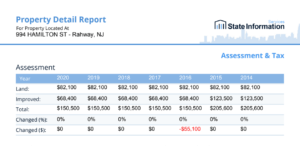
The most common things to see when you receive the title report is the assessed value and property taxes for the property and whether or not they have been paid for the year. If they haven’t been paid yet they are probably in escrow and will be available for paying the taxes when due. You’re also likely to see a listing of the current owner’s mortgage(s) on the property. If the property has not yet been paid for in full, the current mortgages will appear in the report. Once the property has been closed on, those mortgages will be paid off and your own mortgage would then appear in a title search, if conducted.
Although a real estate title search is an involved research project, interpreting the title report is fairly straightforward. The information gleaned from the report will help ensure you are fully aware of anything that might restrict your enjoyment of your property purchase.
Why do we need a property title search? What will happen if we buy a property without a property title search? What would be the problems we have to face in the future if we buy a property without property label investigation? The answer to these questions is simple and helpful also. It is helpful in taking information of a property in many aspects. Definitely there are a lot of issues related to a property and if we will not have a property title search, we will be facing those problems in the future. So, in order to avoid such problems, one should conduct a label investigation.
A property title search can be done through many ways. You can do it with the help of private detective companies. Then, there are some websites that are performing this task at the request of their visitors. Basically websites are the best way of conducting a title search but if you have a transport facility then try visiting the actual location of property. Your visit will help you in knowing different things about the property. First of all it will help you in getting the actual condition of a property and you will also take the details from the neighbors. Consulting the neighbours will help in two ways. First, it will provide you comfort in knowing about the owners of property and secondly, it will help in knowing about the neighbours of that specific area.
It is also useful in getting information about the facilities that are provided in the area where property is located. Basic facilities that are required, are, market, playground, school facility and transport facility. We all know the importance of money and also that it is earned with lots of hardships. So, in order to have satisfaction related to your investment in a property, you must go for a property title search and make sure that all the details are reliable and real. You should not be ignoring this important procedure for the sake of saving your money. This little use of money will benefit not only you in future but also safe you from any upcoming troubles. It is really a lifesaver in case of making decision regarding purchase of any property.
For More Information please visit us at https://www.titleindexing.com/

2 Responses
[…] expert team is well-versed in document stapling, document indexing services, recording dates, document types, grantor-grantee names, legal property descriptions such as lot […]
[…] and Accurate Searching: Indexing services enable quick searching and filtering of documents based on specific criteria. By tagging documents with relevant titles […]